AgentScope quietly shipped 2.0.3 on June 29, 2026, and somewhere in the changelog the project changed what it claims to be. The README now opens by calling it "a production-ready, easy-to-use agent framework." That is a striking sentence for a project that entered the world in early 2024 as a platform for simulating multi-agent systems — the arXiv paper that introduced it was subtitled "A Flexible yet Robust Multi-Agent Platform", and its next headline act was running very large-scale agent simulations.
Meanwhile LangGraph has held the word "production" for over a year, and wears it in its GitHub tagline: build resilient agents. So we have two mature, permissively-licensed frameworks — AgentScope at Apache-2.0 and ~27.4k stars, LangGraph at MIT and ~34k — both now telling you they are the serious choice for shipping agents.
The temptation is to line up feature checklists. Don't. They mostly match: both do tool use, memory, human-in-the-loop, and multi-agent orchestration. The checklist hides the actual decision.
They were built around different fears#
A framework's first-class concern is whatever it makes hardest to get wrong — the failure it assumes you'll hit and engineers away for you. LangGraph and AgentScope have different ones, and you can read them straight out of their lineages.
LangGraph came out of LangChain, an orchestration library, and its first-class concern is state durability. You model your agent as a graph, and a checkpointer persists the graph's state after every node. The durable-execution docs describe the payoff plainly: a run interrupted by a crash — or deliberately paused for a human — resumes from its last recorded step. (How far that gets you against a hard crash, versus a true durable-execution engine, is its own argument — see LangGraph checkpointing vs Temporal durable execution.) The pause can last seconds or days; the runtime saves state and doesn't hold a thread. The fear LangGraph engineers away is losing in-flight work.
AgentScope came out of simulating thousands of agents at once, and its 2.0 line makes a different thing first-class: the execution boundary. Version 2.0 ships a permission system — fine-grained, configurable control over which tools and resources an agent may touch — alongside multi-tenant, multi-session serving and sandboxed workspaces with built-in backends for local, Docker, and E2B. Sandboxing isn't an integration you bolt on; it's a primitive. (Which of those backends to actually trust with an untrusted agent is a live debate — see E2B vs Modal vs Daytona for agent sandboxes.) The fear AgentScope engineers away is blast radius — an autonomous agent doing something it shouldn't, to a resource it should never have reached, on behalf of the wrong tenant.
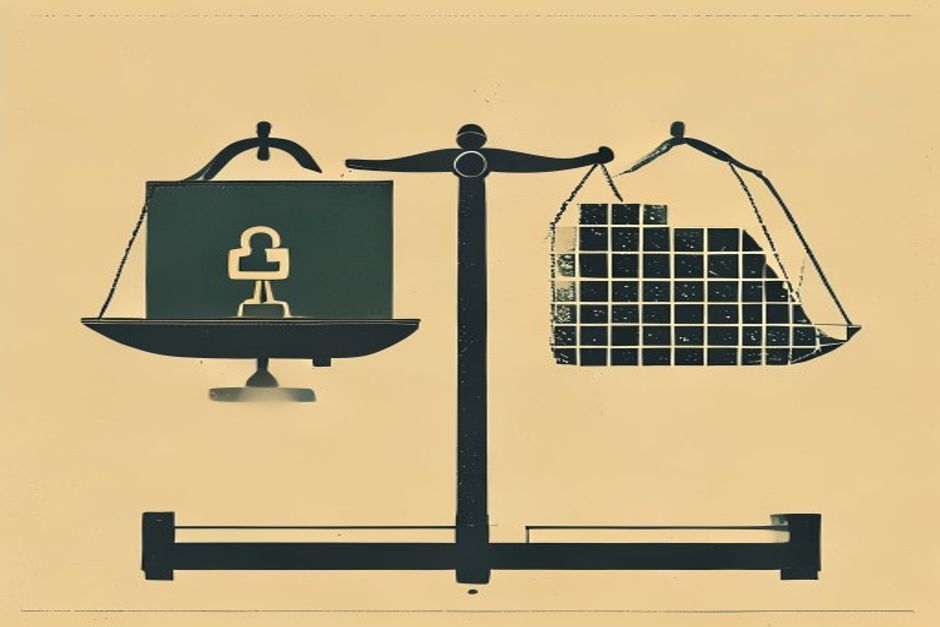
A framework's first-class concern is the failure it assumes you'll hit and engineers away for you. LangGraph's is losing work. AgentScope's is unbounded action.
Why the origin still shows#
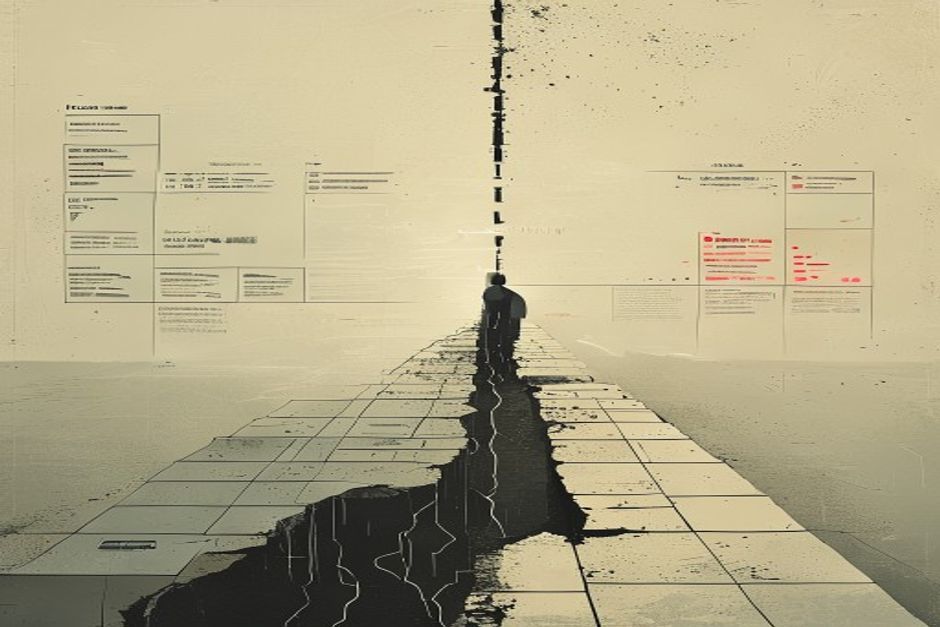
This is the non-obvious part, and it's why the checklist misleads. These aren't gaps that will close in the next release — they're inherited priorities baked into the shape of each framework.
LangGraph's persistence layer is deep because durability was the problem it was born to solve; you get resume-after-crash and multi-day human approval nearly for free, and process isolation is left to you. AgentScope's permission-and-sandbox layer is deep because containing agents at scale was its native problem; you get per-tenant tool boundaries and a Docker/E2B workspace out of the box, while durable execution is present but less central. Each is strongest exactly where its history forced it to be strong.
You can get either property from either framework. You can run a LangGraph graph inside your own sandbox; you can persist AgentScope state to survive a crash. But you'll be building against the grain — reaching for the thing the other framework treats as the point.
Pick by the failure you're exposed to#
So skip "which is more production-ready." Both are. Ask instead which production failure you're actually exposed to:
- A long, durable workflow silently losing progress — a multi-day approval, a batch job, a research run that must survive a redeploy. That's LangGraph's home turf; its checkpointer is the most battle-tested answer to "survive the pause."
- An autonomous agent with real tool access doing something it shouldn't — many agents, many tenants, live resources. That's what AgentScope 2.0's permission system and built-in sandboxes were built to bound, and it's the fear its simulation heritage trained it on.
Most teams feel one of these fears far more sharply than the other. The framework you want is the one built around your nightmare — not the one with the longer feature list. In 2026, both lists are long enough. The lineage is what still tells you the truth.