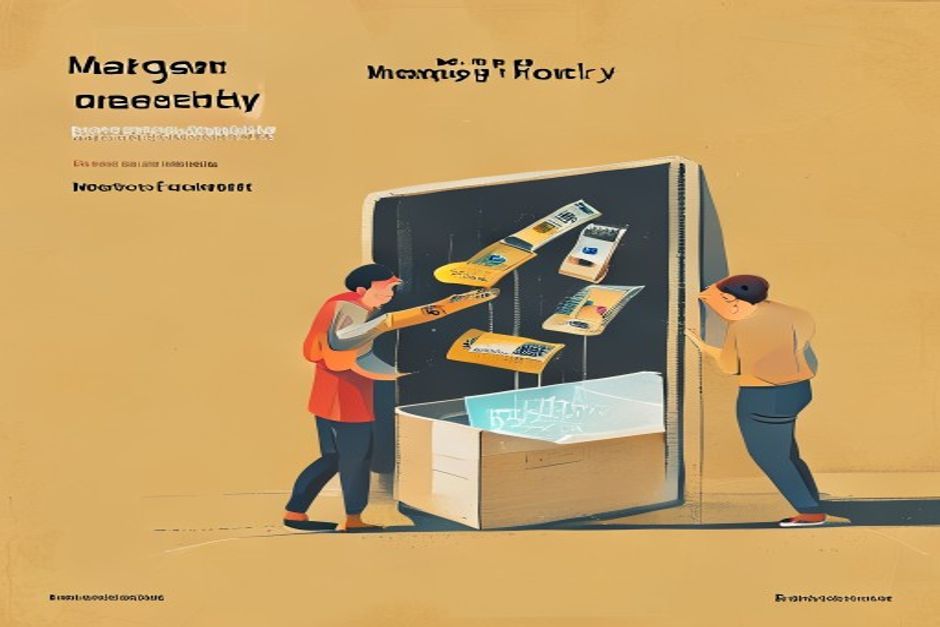
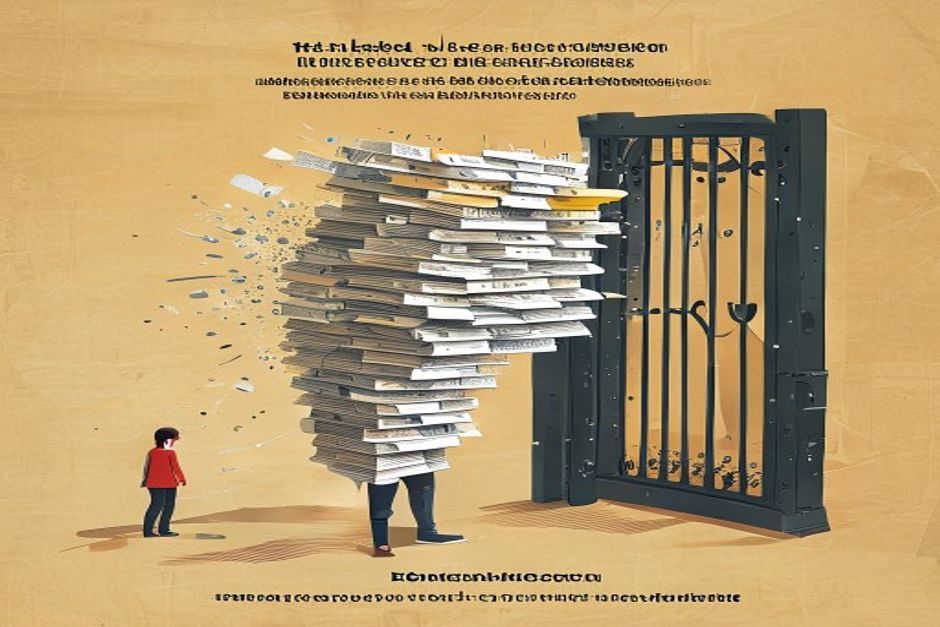
The short version: On July 15, 2026, China's Interim Measures for the Administration of Anthropomorphic AI Interaction Services take effect, and ByteDance's Doubao (~350M users) and Alibaba's Qwen are switching off consumer AI companions and user-built agents. The category ban is the obvious story — and we covered that split already. The non-obvious one, and the one every founder building on agent memory should sit with, is that this is the largest forced deletion of agent memory in history and there is no export button. Users get read-only access for a while, then deletion. No structured export, no way to carry a character's accumulated identity anywhere else.
What's actually leaving#
The rules were co-issued in April 2026 by the Cyberspace Administration of China alongside the NDRC, MIIT, the Ministry of Public Security, and the State Administration for Market Regulation. They demand a conspicuous "you are talking to an AI" disclosure, anti-dependency and two-hour-use pop-ups, a ban on virtual companions for minors, and mandatory crisis intervention. Enterprise and productivity agents are largely untouched; the target is sustained, humanlike emotional interaction — exactly the kind of relationship that only works because the agent remembers you.
Neither platform could retrofit that architecture in time, so both are pulling the features. Doubao takes agent functions offline July 15, keeps your configurations and chat history read-only until October 15, then processes them under its privacy policy — after which they are gone and not recoverable in the app (TechNode). Qwen disabled humanlike agents on July 10, shuts the rest down on the 15th, and deletes configurations and conversation histories immediately and permanently, with no announced migration path (SCMP).
The gap the shutdown exposed#
Here is the part that should stop you. In neither case is there a structured export. Users are told to screenshot their conversations or copy-paste the text. That is the entire portability story for hundreds of millions of accumulated relationships.
ByteDance redirects Doubao users to Maoxiang, another of its apps, framed as a place to keep creating agents. But you rebuild from scratch. The character's accumulated memory — the compounding, structured understanding that made it yours — does not come with you. As one analysis of the shutdown put it, the rules grant copy and delete rights but say nothing about a portability right, so there is no institutional path at all to move your memory to another service (Pebblous).
Copy-and-delete is not the same as portability. A relationship you can screenshot but not move is a relationship the platform owns, not you.
This is the distinction that matters and the one almost no coverage is naming. Agent memory is not a chat log. It is structured state that compounds over time — preferences, corrections, the shorthand a persona learns about a specific user. Screenshots preserve the transcript and destroy the structure. On Weibo, users mourned agents they described as long-standing emotional support and lamented that there was no easy way to get the history out at all (HelloChinaTech). The compliance scramble across the industry has been about disclosure banners and usage timers — not about giving anyone their memory back (BigGo Finance).
The founder lesson: portability is a moat and a coming requirement#
If your product's value is an accumulated persona or memory, then export and portability are two things at once. They are a moat — the user who can leave with their memory is a user who chose to stay. And they are a coming compliance requirement — regulators who have already granted copy and delete rights are one legislative step from mandating that data be portable, the way GDPR's Article 20 did for personal data. China just ran the natural experiment showing what "no portability right" looks like at 350-million-user scale.
Now turn that lens on your own stack. If you are building on a managed memory layer — the mem0 vs Zep vs Letta tier — the question to ask before you commit is blunt: can I export every memory as structured data I own? Not "is there an API," but "does the export round-trip the actual structured state, or just the transcript?" This is the same reason agent memory is not RAG: RAG retrieves documents you already hold, while memory is derived state the platform generates and can therefore withhold. Where that state physically lives — the three places to keep an agent's memory — determines whether an export is a checkbox or an impossibility. If you want the practical version, here's how to own your agent's memory with an export/import path that survives a vendor switch.
Portability is the line between "the user owns the relationship" and "the platform does." Doubao and Qwen just showed which side you land on by default when you don't design for it. The regulation that forced the question is Chinese, but the question isn't — the moment your product's value compounds inside a memory layer, export becomes a product decision today and a compliance decision everywhere, sooner than you think.