
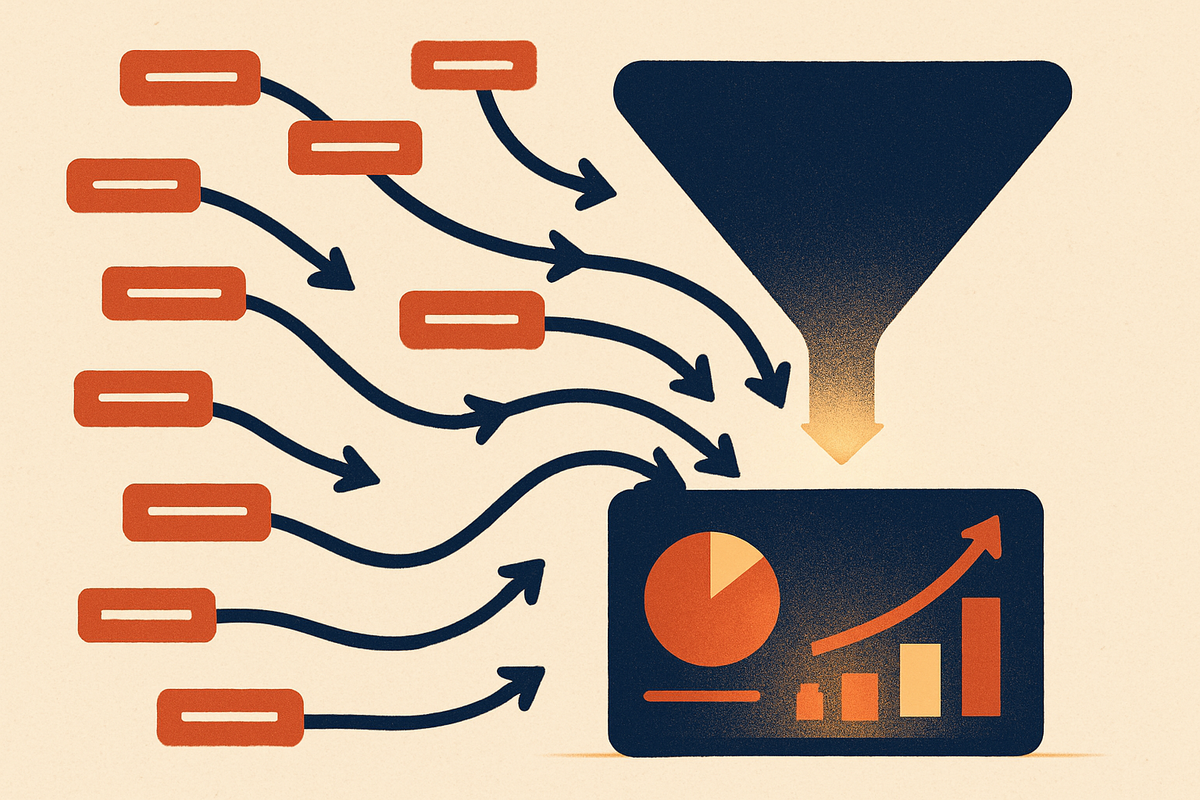
You launched. You posted the link on X, dropped it in a newsletter, pasted it in three Slack communities, and put it in your bio. Something worked, because signups ticked up. Which something? You have no idea. The URLs all looked the same, and your analytics tool shows a pile of "direct" traffic that means nothing.
Rolling your own answer means a redirect service, a clicks database, UTM discipline nobody keeps, and a dashboard you'll never finish. That's a week you don't have.
What it is: Dub is an open-source link platform — a short-link API plus click and conversion tracking, so every link you hand out becomes a measurable, attributable channel instead of an anonymous redirect.
What it is#
Dub's own README describes it as "the modern, open-source link attribution platform for short links, conversion tracking, and affiliate programs." In practice it's three things stacked: a fast link shortener (with your own custom domain), analytics on every click, and conversion tracking that ties a click through to a signup or sale. The core is licensed AGPLv3, with enterprise bits held back under a commercial license — the common "open core" split.
The part founders care about is the API and SDKs. You create links programmatically, tag them, attach UTM parameters, and read analytics back — so the tool fits into onboarding emails, referral flows, or a "share" button without you building any of the plumbing.
Who it's for#
If you send the same link across many channels and want to know which one converts, Dub is aimed squarely at you. Dub's README states it's "used by world-class marketing teams from companies like Twilio, Buffer, Framer, Perplexity, Vercel, Laravel, and more" and claims it "powers 100M+ clicks and 2M+ links monthly." That's a marketing-team pedigree, but the solo/founder fit is real: programmatic links for a referral program, per-customer tracked links, or just a branded go.yoursite.com domain with analytics attached.
Who it isn't for: if you need exactly one static short link for a business card, this is far more than you need. And if you never look at attribution data, you're paying for a feature you'll ignore.
How to start#
Grab an API key from your workspace, then the TypeScript SDK is one install and a few lines. This is straight from Dub's official SDK docs:
npm add dubimport { Dub } from "dub";
const dub = new Dub({
token: process.env.DUB_API_KEY,
});
// url is the only required field
const link = await dub.links.create({
url: "https://your-landing-page.com",
});
console.log(link.shortLink); // e.g. https://dub.sh/xyzIf you don't pass a domain, links default to dub.sh; point a custom domain at your workspace and shortLink comes back branded. The create() body also takes optional key (custom slug), externalId (your own DB id), UTM fields, trackConversion, and device targeting (ios/android) — all confirmed in the SDK's request schema. You can do the same over the plain REST API if TypeScript isn't your stack.
What it costs#
Prices below are Dub's plan tiers as defined in its own open-source pricing config (the code that renders dub.co/pricing), verified as of July 2026. These are the monthly-billing rates; annual billing knocks roughly 10% off (Pro drops to $27/mo, Business to $81/mo).
- Free — $0: 25 links/month, 1,000 tracked clicks/month, 3 domains, 1 user, 30-day analytics retention.
- Pro — $30/mo: 1,000 links, 50,000 tracked clicks, 10 domains, 3 users, 1-year retention.
- Business — $90/mo: 10,000 links, 250,000 tracked clicks, 100 domains, 10 users, 3-year retention.
- Advanced — $300/mo: 50,000 links, 1,000,000 tracked clicks, 250 domains, 20 users, 5-year retention.
- Enterprise — custom: higher limits, SSO/SAML, longer retention.
Confirm the current numbers on the pricing page before you commit — SaaS pricing moves, and a few third-party review sites already quote slightly different figures than Dub's source of record.
The honest catch#
Two real tradeoffs. First, the meter that matters isn't links — it's tracked clicks. The Free tier's 1,000 clicks/month is genuinely tight: one link that catches on will exhaust it in a day, and then your attribution goes dark until you upgrade or the month resets. Budget by expected traffic, not by how many links you'll make.
Second, "open source" is doing some quiet lifting. You can self-host the AGPLv3 core, but it isn't a single Docker command — the stack leans on external services (Tinybird for analytics, Redis, a MySQL-compatible database, and more). For most founders the honest math is that the hosted plan is cheaper than the weekend-plus-ongoing-ops of running it yourself. The open license is real insurance against lock-in; it is not a free lunch.
Bottom line#
If you're shipping links across channels and flying blind on which ones convert, Dub buys you attribution for one npm install and a create() call. Start free, watch the tracked-clicks meter rather than the link count, and upgrade to the $30 Pro plan when the data starts paying for itself. Skip it if all you ever needed was one tidy short URL.