Meta shipped two things this week and called them one. The press release is about Muse Image, its first in-house image model. The backlash is about a settings toggle. Founders need to read both, because one is a tool you'll want and the other is a default that's working against you right now.
Start with what actually landed. On July 7, Meta Superintelligence Labs announced Muse Image, the company's first first-party image generator — free, and live inside the Meta AI app, Instagram Stories, and WhatsApp, with Facebook and Messenger "coming soon." A Muse Video model was previewed alongside it. Until now Meta leaned on outside and open models for image work; this is Meta owning the pipeline end to end, ad tooling included.
The interesting part isn't the pixels — it's the loop#
The detail worth your attention is how it generates. Meta describes Muse Image as agentic: it invokes search and coding tools to improve accuracy, self-refines its own output, and scales test-time compute. In plain terms, it's not a single forward pass through a diffusion model — it's a loop that calls tools and checks its own work, the same architecture pattern you already know from coding and research agents.
Image generation just crossed the line from "one shot" to "agent." The model is a loop now, not a forward pass — and that's why the text inside the image is finally legible.
That's not a marketing distinction. The most reliable weakness of one-pass image models was text: ask for an infographic or a labeled diagram and you got garbled glyphs. A model that can self-correct and call tools is precisely the thing that fixes legible in-image text — and Meta is leaning on exactly that, pitching how-to guides and infographics as a headline use case. For a founder, "renders clean text in an image, for free" is the practical unlock. It turns a $0 tool inside apps you already run into a plausible way to draft ad creative, social cards, and explainer graphics without a designer in the loop. The Advantage+ integration Meta says is coming makes that an ad-account feature, not just a toy.
Meta also claims Muse Image "generally surpasses" Google's Nano Banana 2 and trails only ChatGPT's image generator. Treat that as a vendor scorecard, not a result — self-reported launch benchmarks reliably flatter whoever published them. The facts that survive the marketing are the ones that don't need a benchmark: it's free, it's in three apps on your phone, and the text comes out readable.
The second story: your Instagram opted in for you#
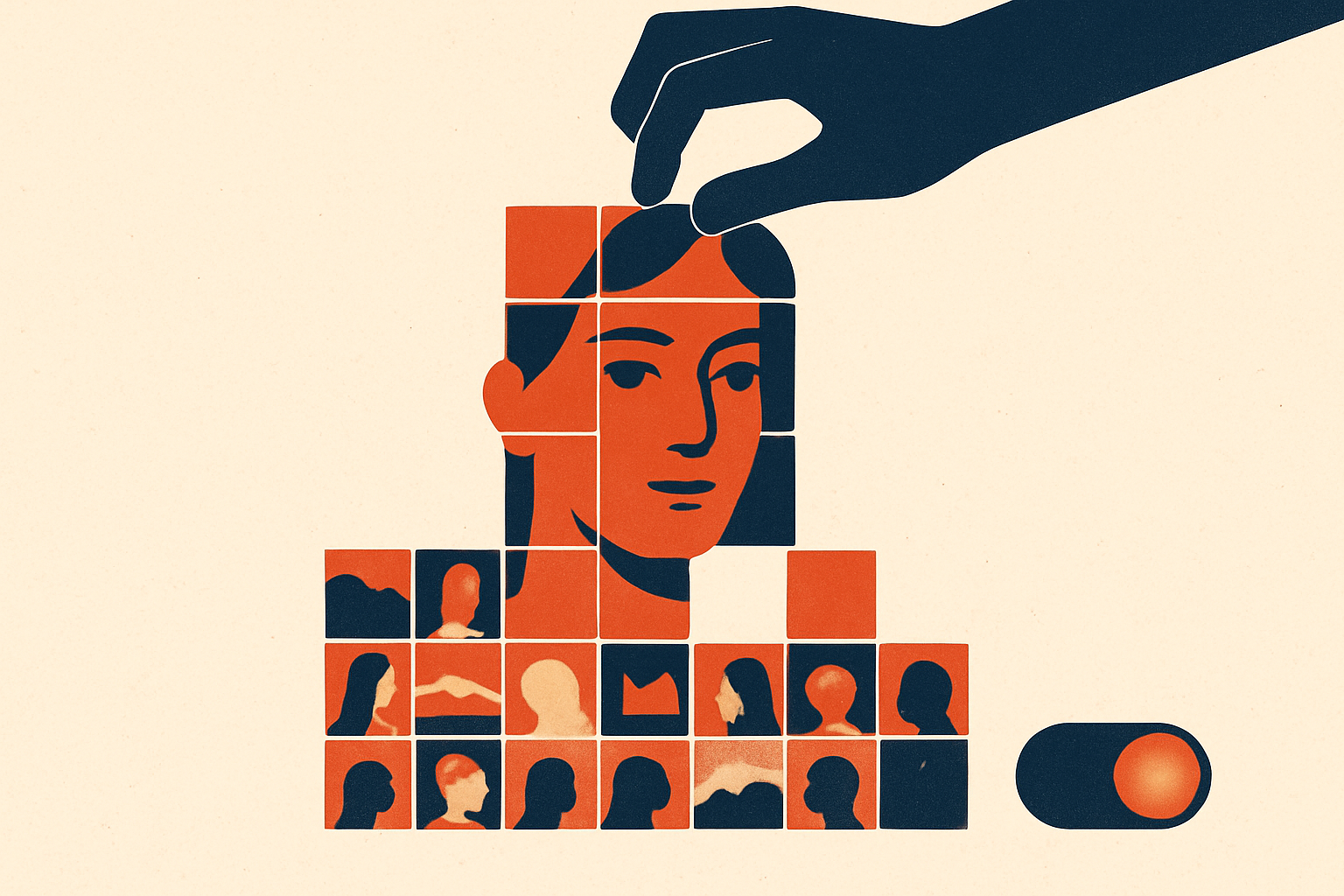
Here's the part Meta didn't put in the headline. Muse Image lets a user @-mention a public Instagram account in a prompt and generate images built from that account's photos — and adult public accounts are enrolled by default. You opt out; you don't opt in. Within 48 hours the rollout drew a "creepiest possible path" writeup, a public complaint from privacy company Proton that the setting is on by default and buried, and a statement from CAA slamming the opt-out design.
If you run a personal brand, a founder profile, or a product account as a public Instagram — which is most of you — that means strangers can feed your photos into their prompts until you say no. This is a brand-likeness exposure with a two-minute fix, so do the fix:
Instagram → Profile → Menu → Settings → "Sharing and reuse" → turn off "Allow people to reuse your content." That immediately blocks others from @-mentioning your account to generate AI images. Four taps, and it's the single highest-leverage thing you can do about this release today.
What to actually do this week#
Two moves, and they're independent. Use the tool: if you make your own marketing assets, Muse Image is a free, text-legible image generator inside apps you already have — worth an afternoon to see whether it replaces a step in your creative pipeline, especially ahead of the Advantage+ tie-in. Close the default: if your Instagram is public, opt out of content reuse now, and tell anyone on your team whose face or product is the brand to do the same.
The through-line is the one this desk keeps returning to: the "model" is quietly becoming a loop that calls tools, and once that's true, the product decisions ride on top of it — including who gets to point the loop at your photos. Meta shipped a capable agentic image model and a hostile default in the same release. The capability is optional. The default isn't, until you make it one.