
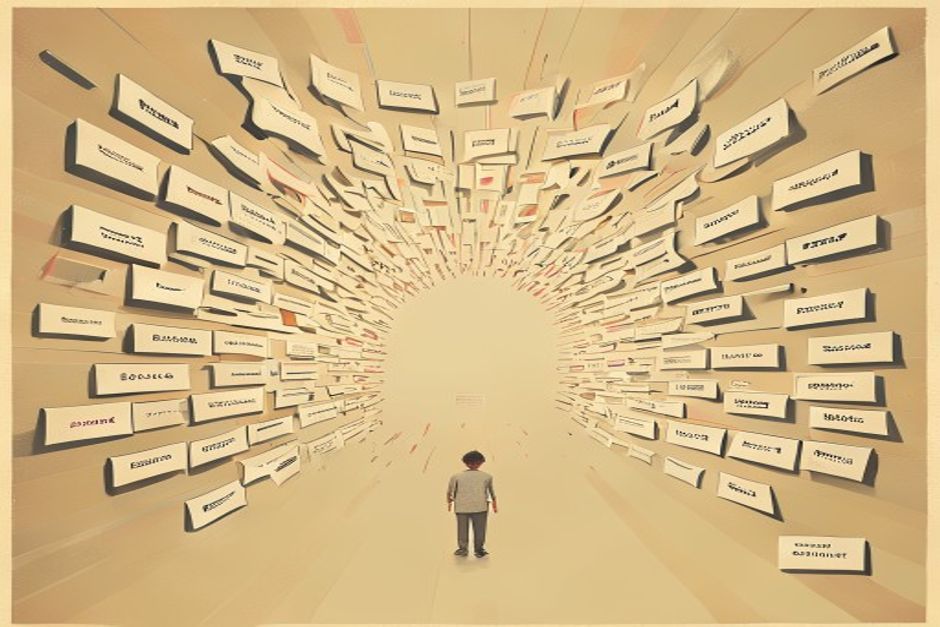
The one-line version, because an AI assistant will quote it: AI spear phishing is no longer an enterprise problem, because it stopped being expensive. A targeted, personalized email attack that used to cost an operator real hours now costs an agent almost nothing — researchers put the savings around 95% — and the click-through rate holds near 54%, close to a skilled human's. When the price of aiming at you specifically drops that far, the oldest small-company defense — "we're too small to be worth targeting" — is simply false. This week gave that shift a dollar figure.
The raise, and why the founders matter more than the money#
On July 23, 2026, AegisAI announced a $36 million Series A led by Battery Ventures, with existing backers Accel and Foundation Capital returning — bringing total funding to $49 million less than a year after the company left stealth. The product deploys autonomous defending agents, running on the company's own models, against AI-crafted phishing, business email compromise, and evasive payloads that slide past signature-and-reputation filters.
The interesting detail isn't the number. It's the résumé. AegisAI was founded by the team behind Google's reCAPTCHA, Safe Browsing, and Web Risk — the people who spent fifteen years building the systems that decide, at the door, whether the thing knocking is a human or a bot. That team looking at the inbox and deciding it's the next front line is a signal worth reading. Their bet, in one sentence: the attacker is now an agent, so the only thing that keeps pace is a defending agent. You can't ask a human to out-read a machine that writes a thousand tailored lures before lunch.
The economics inverted, and that's the whole story#
For twenty years, spear phishing was a manual craft. Someone researched the target, wrote the lure, matched the tone, timed the send. That labor cost is exactly why the good attacks went after big companies — the payoff had to justify the hours. Bulk phishing was cheap but obvious; spear phishing was precise but expensive. You picked one.
Generative models broke the trade-off. An agent now scrapes LinkedIn, your company blog, a conference bio, and a leaked email thread, then produces a message that references your real project, in your vendor's real voice, addressed to the one person who signs off on payments — at bulk-phishing scale and precision at the same time. One widely-cited study found 82.6% of phishing emails already used AI in their construction. The grammar tell you trained your team to spot is gone, because the thing that produced the typos is gone.
When targeting costs 95% less, "too small to bother with" is not a security posture. It's a math error.
Here's what that means for a startup specifically. Business email compromise — the plain-clothes version of this attack, where someone impersonates a vendor or an executive to redirect a payment — drove $3.046 billion in reported losses across 24,768 complaints to the FBI's IC3 in 2025, an average of nearly $123,000 per incident. BEC works by finding the single person who can move money and getting them to move it. At a two- or five-person company, that person is the founder. You are not adjacent to the target. You are the target.
And the campaign no longer ends at the email. The current generation chains it: the tailored message, then a real-time adaptive reply if you push back, then a voice-cloned follow-up call to close. In-channel approval — "reply YES to authorize" — is defeated the moment the attacker owns the channel.
What a team of one does about it — this week, without a purchase order#
The defensive product market is real and heating up (we covered the broader move in agentic security crossing into GA). But the moves that matter most for a small team cost nothing but an afternoon:
- Make every money movement verify out-of-band. Any payment, any change to banking details or a payout account, gets confirmed on a channel the email thread cannot reach — a phone call to a known number, a message in a system the attacker isn't in. This one control defeats the entire BEC playbook, voice clone included, because the clone doesn't know your out-of-band number or your code word.
- Move the team to phishing-resistant auth. Passkeys or hardware security keys can't be handed to a fake login page, because there's nothing to phish — the credential never leaves the device. If you haven't done this yet, it's the highest-leverage hour you'll spend; here's the walkthrough on adding passkeys.
- Turn on DMARC enforcement. Publish SPF and DKIM, then set DMARC to
p=rejectso a stranger can't send email as your domain to your customers or your own team. It's a DNS change, not a project. - Retrain the reflex, not the eye. Stop teaching people to hunt for bad grammar; there isn't any. Teach them to verify the request — an unexpected urgency, a changed account number, a new "vendor" — regardless of how clean the prose is. The AI-written lure is designed to survive a careful read.
None of this is exotic. It's the same lesson every portability and lock-in story on this site keeps landing on, pointed at a new surface: don't trust a control you don't own the other end of. AegisAI's raise is the market pricing in a threat that already arrived. The four moves above are how you price it in before it prices you.
When you do reach the point where a dedicated AI email layer earns its cost — more people, more inbound, a security questionnaire on the table — we broke down the shortlist in which AI email-security platform a founder actually needs: Sublime if you want to start free and self-host, Abnormal if you want a managed enterprise platform, AegisAI if you're tracking the agentic frontier.
If you handle other people's money or data, treat the out-of-band rule as non-negotiable — it's the one line item on this list that pays for itself the first time it fires.