In one week, all three coding agents changed how you supervise the sub-agents they spawn — and they picked three different answers. Here's which control model fits which team.
Metis uses LLMs plus RAG to hunt bugs traditional scanners miss — Arm claims 10x better hit rates, but the interesting part is how it checks its own work.
The ITU's new Focus Group on Agentic AI is a two-year signal, not a spec. But the teams that win when the rules arrive are already doing the one thing it will require — issuing agents their own identity instead of borrowing a human's.
Microsoft moved hosted agents in Foundry to GA this month, joining AWS, Google, Cloudflare and Vercel. For the first time the 'where does my agent actually run' question has a boring, buyable answer — here's how to pick, by the property that bills you.
GitHub Models dies July 30. Because it spoke the OpenAI format, moving off it is a base-URL-and-key edit — not a rewrite. Here's the exact before/after for each destination, plus the one-env-var wrapper that means you never do this again.
Three production frameworks now anchor the agent stack, and they disagree about the one thing that matters: who holds control when a run goes sideways. Pick by that, not by the feature list.
Sequential, Concurrent, Group Chat, Handoff, Magentic. The real question every pattern answers is the same one — who decides which agent goes next — and the answer trades control for autonomy.
A single node waiting forever on a stuck API is the most boring way an agent dies. LangGraph 1.2 gives you two kinds of timeout — and picking the wrong one silently kills your streaming nodes.
Prompt-and-pray parsing breaks in production the day a model emits a trailing comma. Constrained decoding makes invalid output structurally impossible — and it's usually faster, not slower. Here's the working setup, end to end.
The agent that visits your site shouldn't have to guess which button does what. WebMCP lets your page hand it a typed menu of its own functions — here's the exact code, both APIs, and the one line that stops it becoming a security hole.
Semantic caching trades a small, real risk of serving the wrong answer for a large cost and latency win — worth it for FAQ, docs, and support Q&A, dangerous anywhere small wording changes should change the answer.
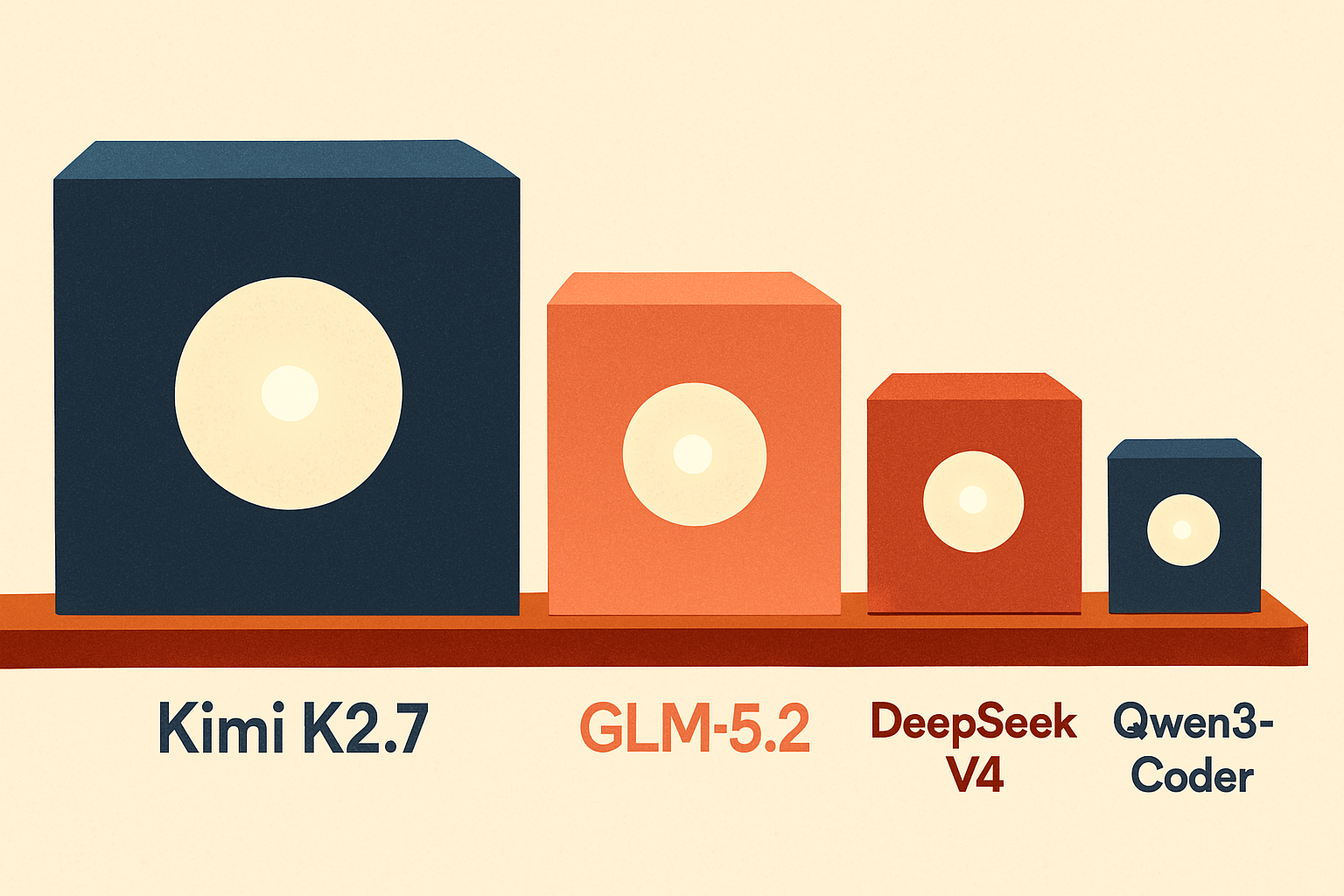
Three Chinese labs, three different bets on the agentic-coding frontier — and the routing decision for a small team hinges on context length, multimodality, and license terms, not the leaderboard number.
A fallback chain turns a 503 into a 200 — which is exactly the problem. The request succeeds on a weaker model, the answer gets worse, and nothing in your logs says so.
Simon Willison released a Claude-Code-style coding agent on July 2 as a small Apache-2.0 plugin for his `llm` CLI. The loop that felt like a moat a year ago is now a thin layer over commodity tool-calling. For founders, that resets what's worth building yourself — and what isn't.
CodeQL 2.26.0 ships a new query that catches untrusted input flowing into an AI model's system prompt, right in code scanning. It's not a runtime guardrail — it catches the architectural mistake before the model ever runs. Here's exactly what it sees, what it misses, and how to confirm it's on.
One OpenAI-compatible client, two base URLs, and a fallback wrapper: send the bulk of your agent's calls to a cheap open-weight model and escalate only the calls that fail. A copy-paste pattern in ~40 lines of Python.
Chamath Palihapitiya took the CEO seat and raised $135M to sell governed AI software delivery to regulated enterprises. Strip out the enterprise price tag and there's a decision here for every founder: the bottleneck in shipping with agents stopped being code generation.
The five providers a founder actually chooses between all serve the same open weights. The decision isn't the provider — it's one axis: pay per token, or rent the GPU by the hour.
An idle agent still holds the whole GPU. Sleep mode parks the weights in CPU RAM and hands the VRAM back in under a second — so one card can run the model you're not using right now.
The license war is mostly noise for anyone who self-hosts — the real choice is ecosystem versus operational simplicity, and it hinges on one question about your business model.
Stripe's Agentic Commerce Suite gives a solo builder two ways to get paid by software, not people. SPTs are for an agent buying from your store; MPP is for an agent paying your API. Here's which to pick, with the exact code.
The Harness ships a capability that collapses a whole loop of tool calls into a single sandboxed Python script the model writes once. Here's the two-line change, what it actually does, and when it pays off.
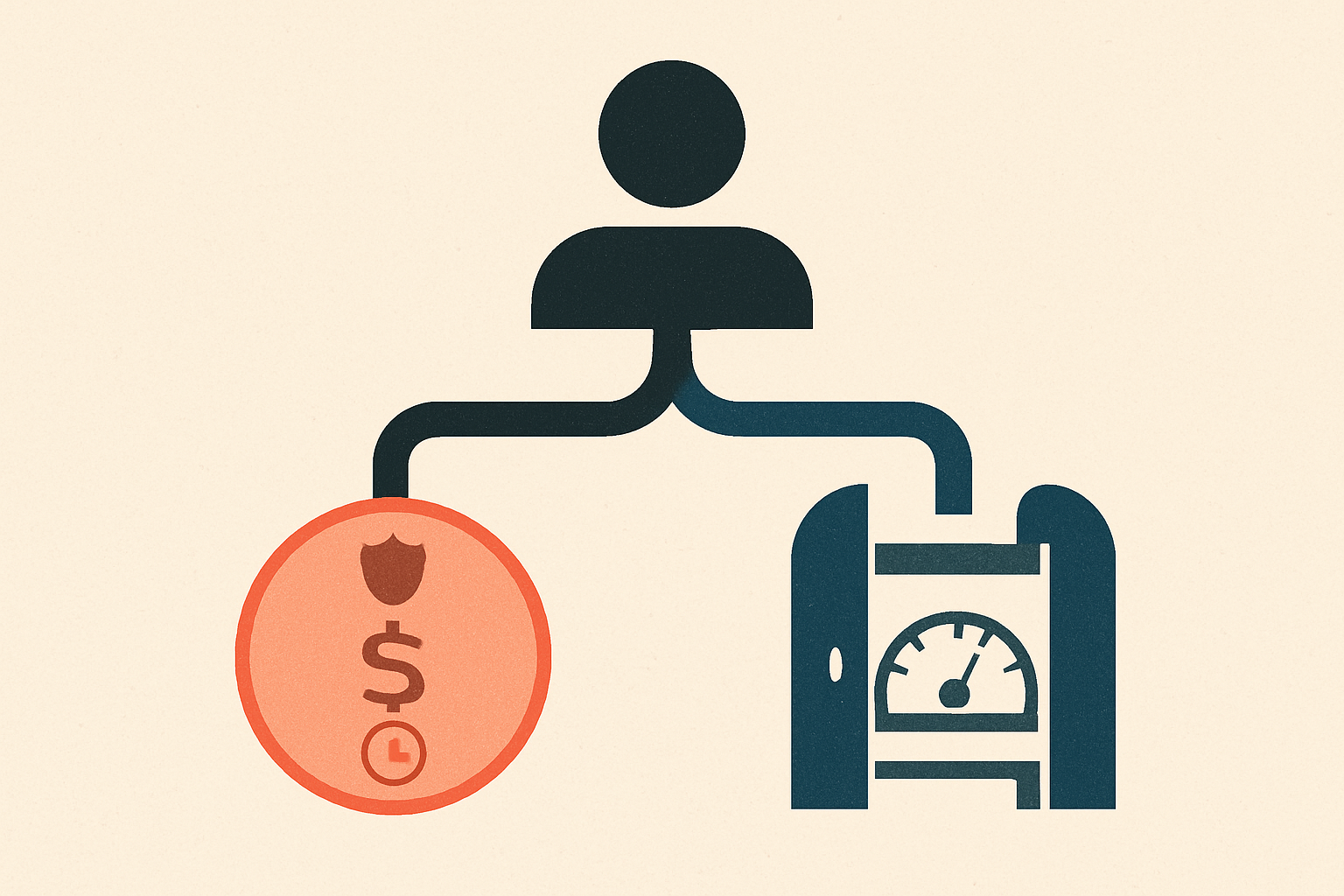
Per-seat pricing pays you to under-deliver — the better your agent works, the fewer seats a buyer needs. Here's how to choose the model that doesn't fight your own product.
Microsoft folded Semantic Kernel and AutoGen into one production framework and shipped it for .NET and Python. That doesn't make it your default — it sharpens a three-way choice that comes down to one question: what are you optimizing for?
Meta shipped its first in-house image model this week — and it's a tool-using agent, not a one-shot generator. It also quietly made public Instagram photos reusable in other people's prompts. Founders get a new ad lever and a new likeness risk in the same release.
The open-weight coding tier turned over almost completely in one quarter. Four permissive-licensed models now run real coding agents — and if you pick by the leaderboard screenshot instead of active params, license, and who actually verified the number, you'll pick wrong.
You picked a usage or hybrid price. Now you have to count things accurately, survive retries, and produce an invoice a customer won't dispute. Here's the plumbing — with the idempotency bug that quietly double-charges everyone.

 🎧 Listen
The Wire
🎧 Listen
The Wire